Metal Hardening
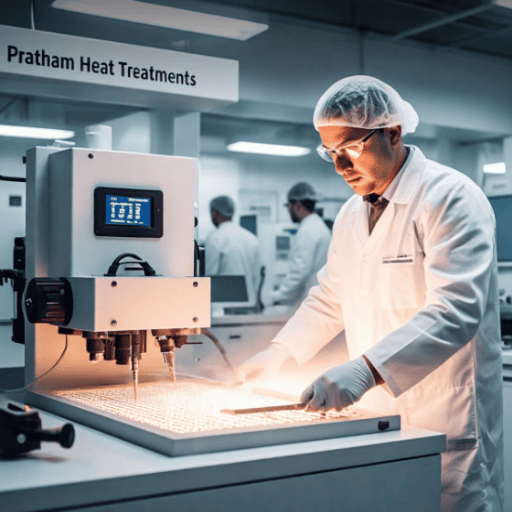
Metal hardening is a process used to increase the hardness of a metal, typically to improve its strength, resistance to wear and tear, and durability.
Methods of Metal Hardening
- Heat Treatment: This involves heating the metal to a specific temperature and then cooling it rapidly. This process can change the microstructure of the metal, making it harder.
- Quenching: This involves rapidly cooling the metal in water, oil, or air. The rapid cooling causes the metal to become harder.
- Tempering: This involves heating the metal to a specific temperature after quenching to reduce brittleness.
- Case Hardening: This involves hardening the surface of the metal while keeping the core soft. This is done by adding carbon or nitrogen to the surface of the metal.
- Nitriding: This involves heating the metal in a nitrogen atmosphere to form nitrides, which harden the metal.
Techniques Used in Metal Hardening
- Induction Hardening: This involves using an electromagnetic field to heat the metal.
- Laser Hardening: This involves using a laser beam to heat the metal.
- Flame Hardening: This involves using a flame to heat the metal.
Benefits of Metal Hardening
- Increased Strength: Metal hardening can increase the strength of the metal.
- Improved Wear Resistance: Metal hardening can improve the wear resistance of the metal.
- Improved Corrosion Resistance: Metal hardening can improve the corrosion resistance of the metal.
- Increased Durability: Metal hardening can increase the durability of the metal.
Common Applications of Metal Hardening
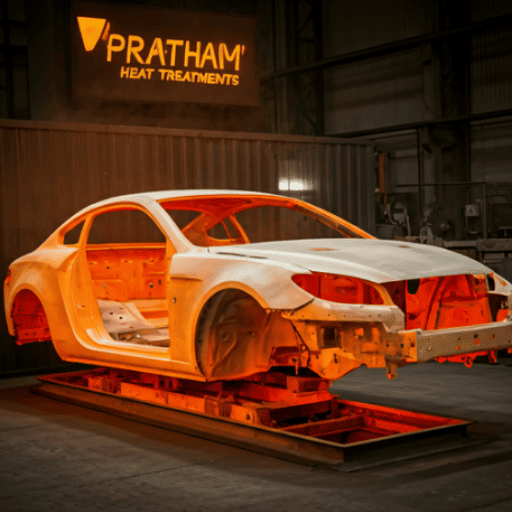
- Automotive Industry: Metal hardening is used in the automotive industry to harden engine components, gears, and other parts.
- Aerospace Industry: Metal hardening is used in the aerospace industry to harden components used in aircraft and spacecraft.
- Construction Industry: Metal hardening is used in the construction industry to harden steel used in building frames and other structures.
- Tooling Industry: Metal hardening is used in the tooling industry to harden tools used in machining and other processes.