What is the principle and purpose of heat treatment?
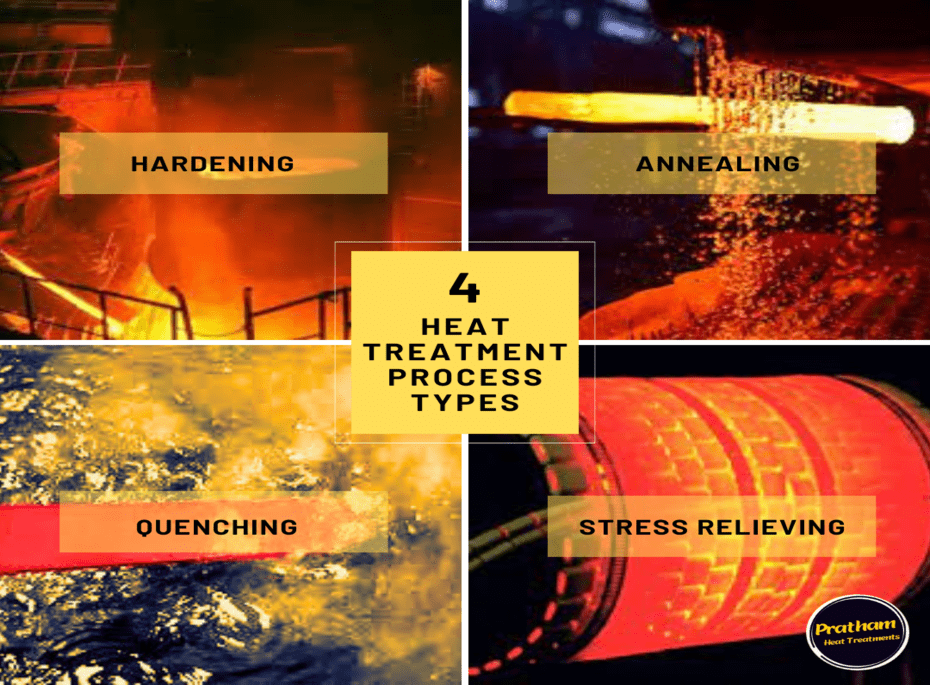
Heat Treatment: Principles and Purpose
Heat treatment is a process that involves controlled heating and cooling of materials, typically metals, to alter their internal structure and achieve desired properties.
Principles of Heat Treatment
- Microstructure Matters: Metals are composed of tiny crystals called grains. Heat treatment influences the size, shape, and organization of these grains, which significantly impacts the material's behavior.
- Heating Up Change: Heating the metal to specific temperatures increases the energy of atoms, causing them to rearrange. This can dissolve elements within the metal or allow formation of new compounds.
- Cooling Controls: The cooling rate after heating significantly affects the final structure. Slow cooling leads to larger grains, while rapid cooling preserves the high-temperature arrangement, often resulting in a harder material.
Purposes of Heat Treatment
- Strength and Hardness: Heat treatment can significantly enhance a metal's strength and hardness, making it suitable for tools, bearings, and other components requiring high wear resistance.
- Ductility and Formability: Heat treatment can also soften a metal, making it more pliable and easier to shape. This is crucial for applications like wires or car panels.
- Stress Relief: Internal stresses can develop in metals during forming processes. Heat treatment can alleviate these stresses, preventing cracking or warping.
- Tailored Properties: Different heat treatment techniques like annealing, hardening, and tempering allow for achieving various desired properties for specific applications.
In essence, heat treatment is a powerful tool for metalworkers to achieve the ideal balance of strength, ductility, and other properties for their creations.
